
When Fatty Foods Become Dangerous for Dogs
When Fatty Foods Become Dangerous for Dogs
Most dog owners know that table scraps are not always a good idea. But many people do not realize that a sudden meal loaded with fat can sometimes become much more than a stomach upset.
In certain dogs, eating a large amount of fatty food can trigger pancreatitis, an inflammation of the pancreas that can range from mild to extremely serious.
What Does the Pancreas Do?
The pancreas plays an important role in digestion and metabolism. It produces digestive enzymes that help break down food, along with hormones such as insulin that help regulate blood sugar.
When the pancreas becomes inflamed, normal digestion can be disrupted and a dog can become very sick.
Common Triggers
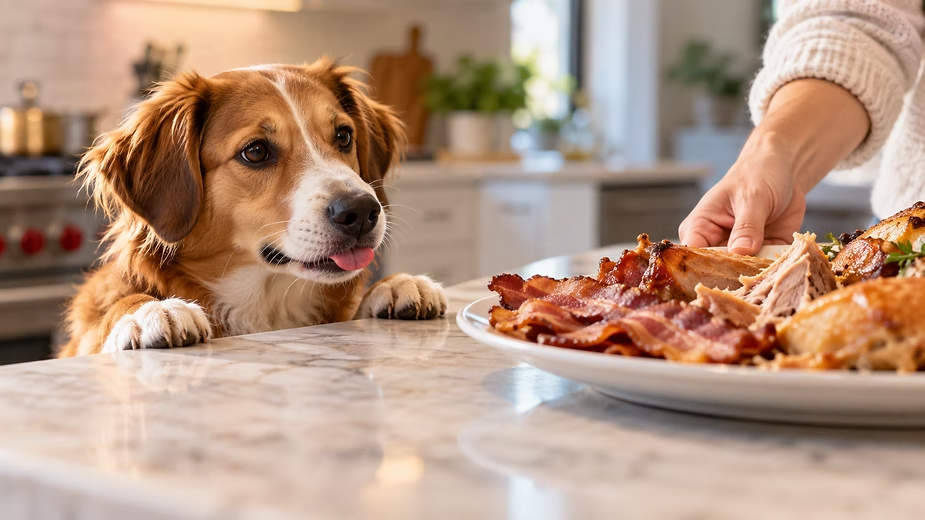
One classic trigger is a dog suddenly eating a large amount of rich, fatty food.
Examples may include:
Turkey or chicken skin
Bacon or bacon grease
Fatty meat scraps
Rich leftovers
Greasy foods
Large amounts of foods the dog is not accustomed to eating
This is especially important around holidays, parties, and family gatherings when food may be left within reach.
Signs Pet Parents Should Watch For
Symptoms can vary, but common warning signs include:
Vomiting
Loss of appetite
Abdominal discomfort
Diarrhea
Weakness or unusual tiredness
Dehydration
Excessive drooling or lip licking
A hunched posture or reluctance to move
A dog showing repeated vomiting, significant abdominal pain, weakness, or other serious symptoms should be evaluated by a veterinarian promptly.
Some Dogs May Be More Susceptible
Any dog can potentially develop pancreatitis, but certain dogs may be more vulnerable.
Risk can be influenced by factors such as age, weight, underlying medical conditions, previous pancreatitis, medications, genetics, and breed.
That means the same fatty snack that appears to cause no problem in one dog could cause significant trouble in another.
Prevention Is Often Simple
One of the easiest ways to reduce risk is controlling what your dog has access to.
Keep fatty leftovers, garbage, cooking grease, and holiday foods safely out of reach. Make sure guests and children also understand which foods should not be shared with the family dog.
Treats should be appropriate for the individual pet and should complement—not overwhelm—a nutritionally balanced diet.
Supporting Healthy Digestion
Good digestive health starts with consistent, appropriate nutrition.
Sudden dietary changes and extremely rich meals can place unnecessary stress on the digestive system. Choosing quality ingredients, keeping portions sensible, and introducing new foods gradually can help make feeding more predictable and comfortable for your pet.
Pet parents should also discuss digestive supplements or enzymes with their veterinarian when there is a specific reason to use them, particularly if a dog has a history of digestive disease.
The Bottom Line
Dogs are often very talented at finding foods they were never supposed to eat.
Keeping fatty foods out of reach may seem like a small precaution, but it can prevent a potentially serious veterinary emergency.
Thoughtful feeding, sensible portions, and paying attention to changes in your pet’s appetite or behavior are simple ways to support long-term digestive health.
At Pets Friend, we believe good nutrition begins with understanding what goes into your pet’s bowl—and knowing when more is not necessarily better.


Comments